
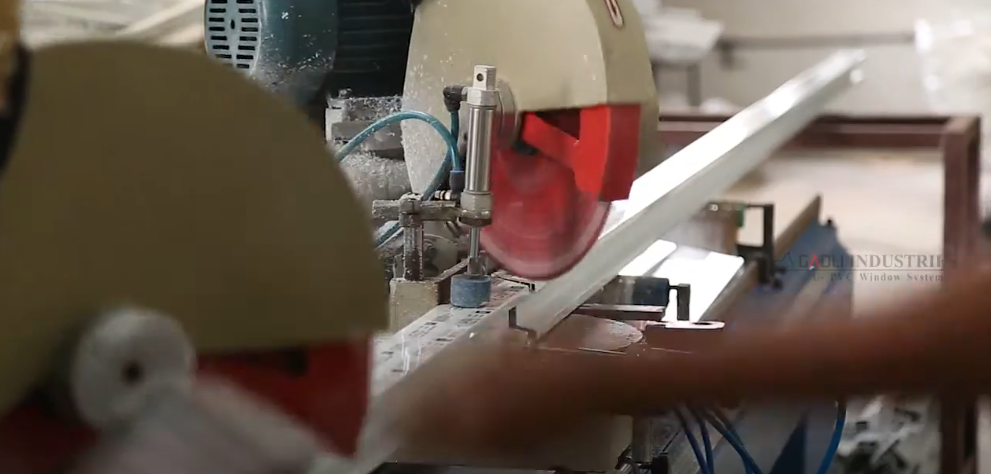
In the UPVC window and door manufacturing process, profiles are cut at precise 45-degree angles to ensure accurate joints and a strong structure. This step is vital for achieving seamless welding and consistent aesthetics. Advanced cutting machines ensure accuracy, uniformity, and reliable quality across all components.
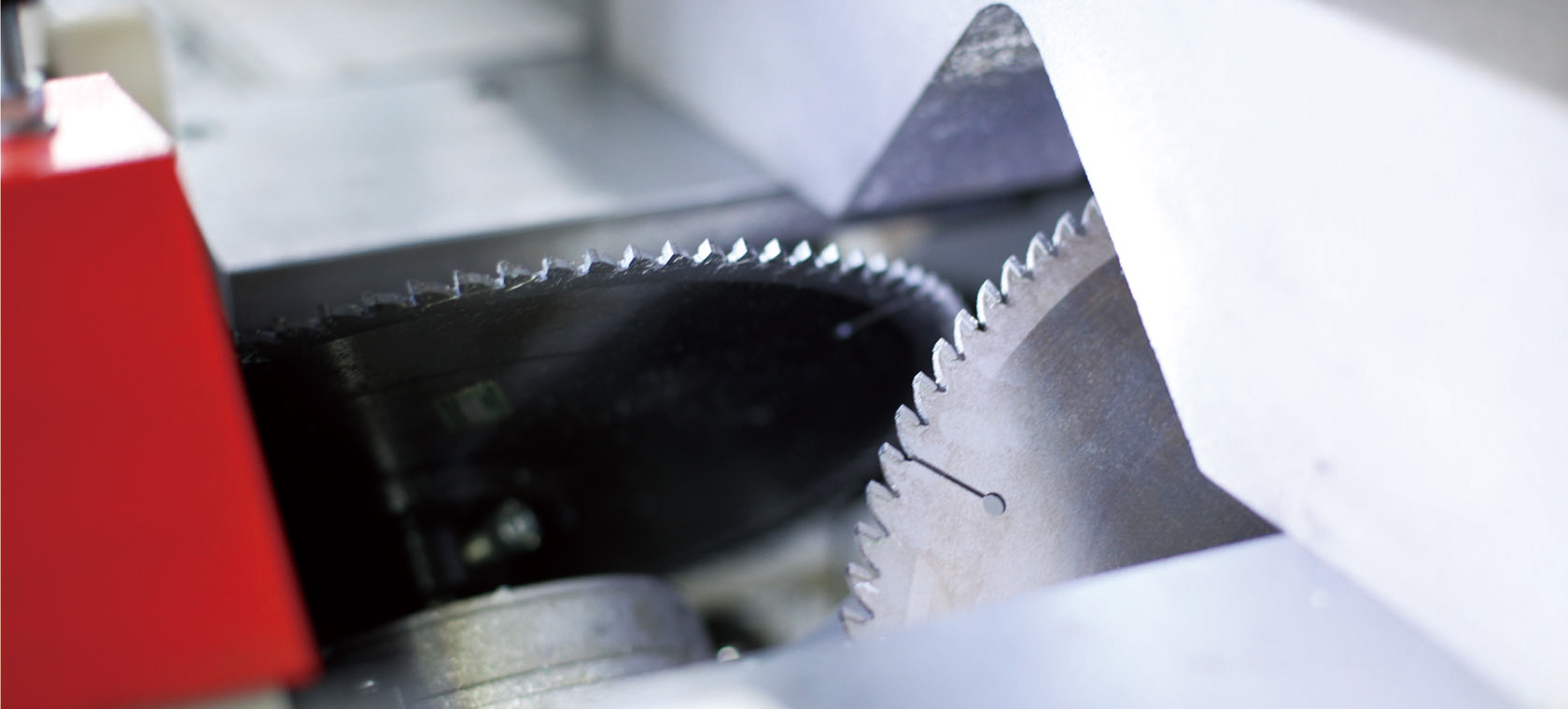
V-notch cutting involves creating precise V-shaped grooves in UPVC profiles for drainage, reinforcement, or hardware fitting. Specialized machinery ensures accurate dimensions, supporting proper assembly and enhancing durability. This step is crucial for the overall performance and functionality of UPVC windows and doors.
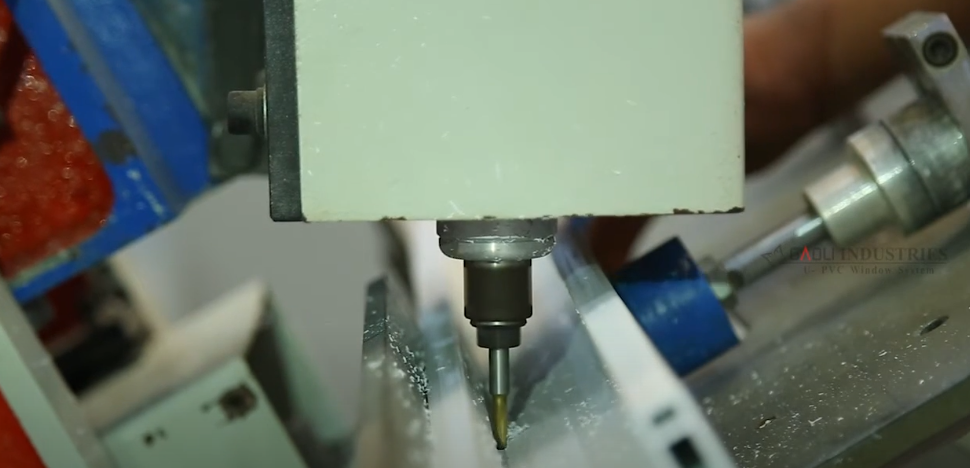
In the manufacturing of UPVC windows and doors, the water outing process involves creating drainage channels to efficiently remove excess water, particularly during heavy rainfall. These channels are strategically placed to prevent water buildup, ensuring the integrity and durability of the final product.

In the manufacturing of UPVC windows and doors, a lock hole processing machine is used to precisely create holes or recesses in the profiles for installing locks and other hardware components. This specialized equipment ensures accurate and consistent hole placements, enhancing the functionality and security of the final product.
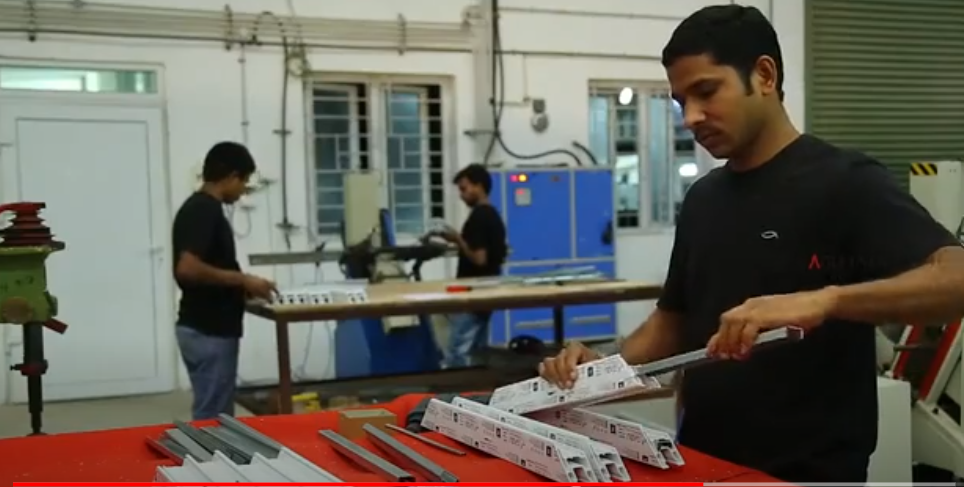
Galvanized steel reinforcements are added to UPVC profiles to enhance strength and durability. Inserted into hollow sections, they provide structural stability and resist corrosion. This ensures the frames withstand environmental stress and pressure, increasing the overall lifespan and performance of UPVC windows and doors.
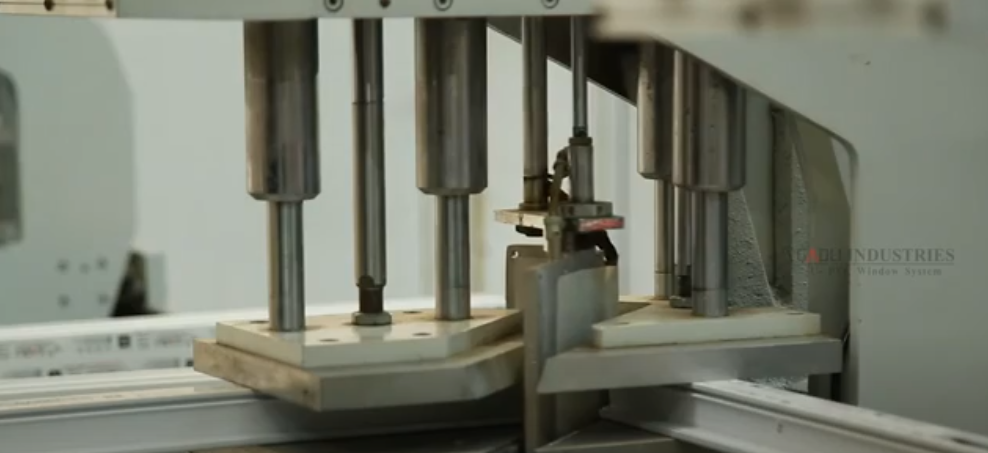
UPVC windows undergo fusion welding for enhanced stability and a seamless finish. After welding, meticulous measurements are rechecked to ensure precise size accuracy. This thorough process guarantees that each window meets stringent quality standards, delivering both structural integrity and aesthetic appeal.
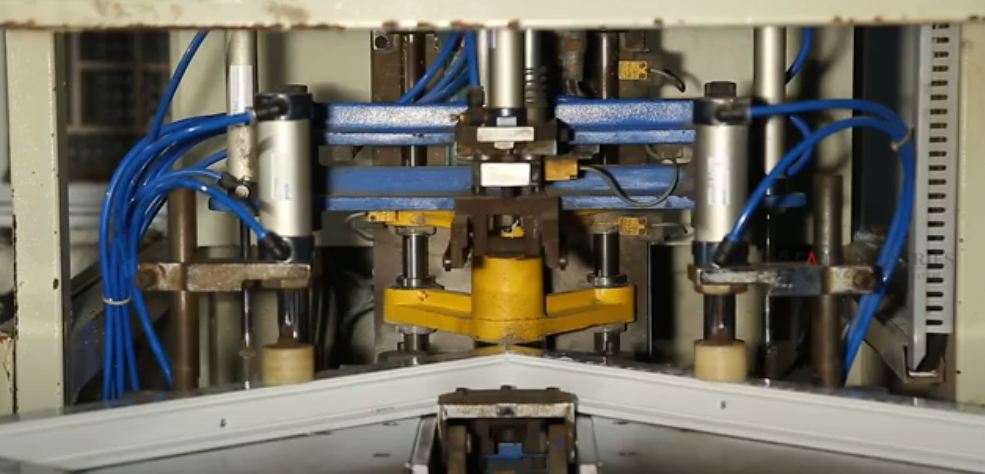
This machine aids in removing excess welding residue, resulting in a seamless and aesthetically pleasing finish for the windows. By eliminating any imperfections, it ensures that the final product meets high-quality standards, enhancing both appearance and functionality.
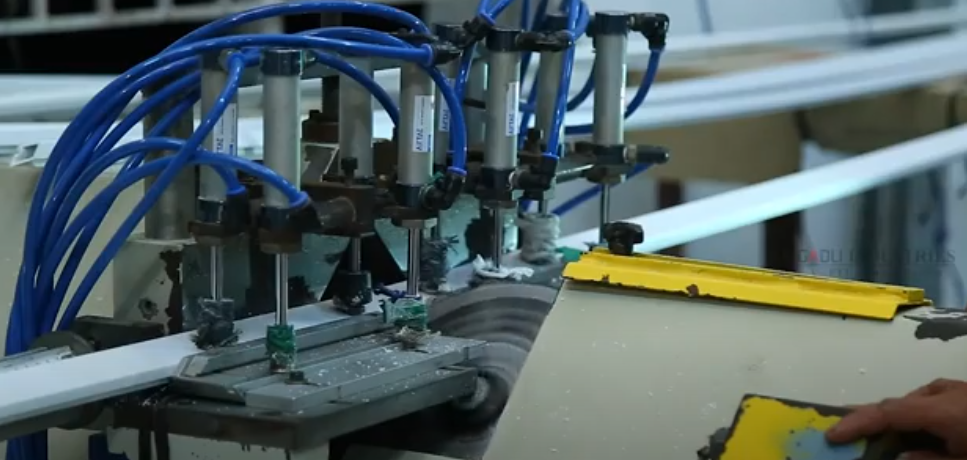
The glazing V-cutting process precisely carves V-shaped grooves into the UPVC profiles, facilitating the secure fixing of glass panes. This ensures accurate placement of the glass within the frames, contributing to the structural integrity and insulation properties of the windows.
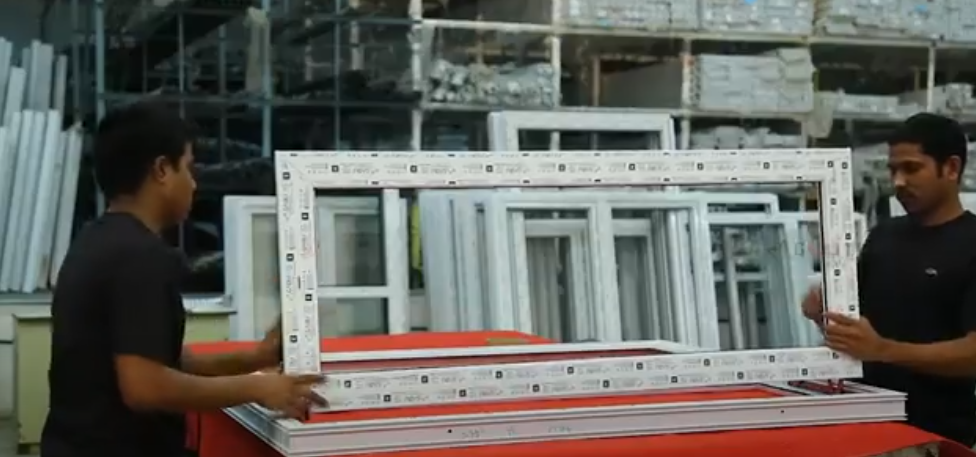
In this stage, all UPVC window and door components are assembled—glass panes are fitted, hardware like handles and hinges installed, and features such as weather-stripping added. Precision and care ensure proper alignment, durability, and a flawless finish, meeting quality standards for performance and visual appeal.
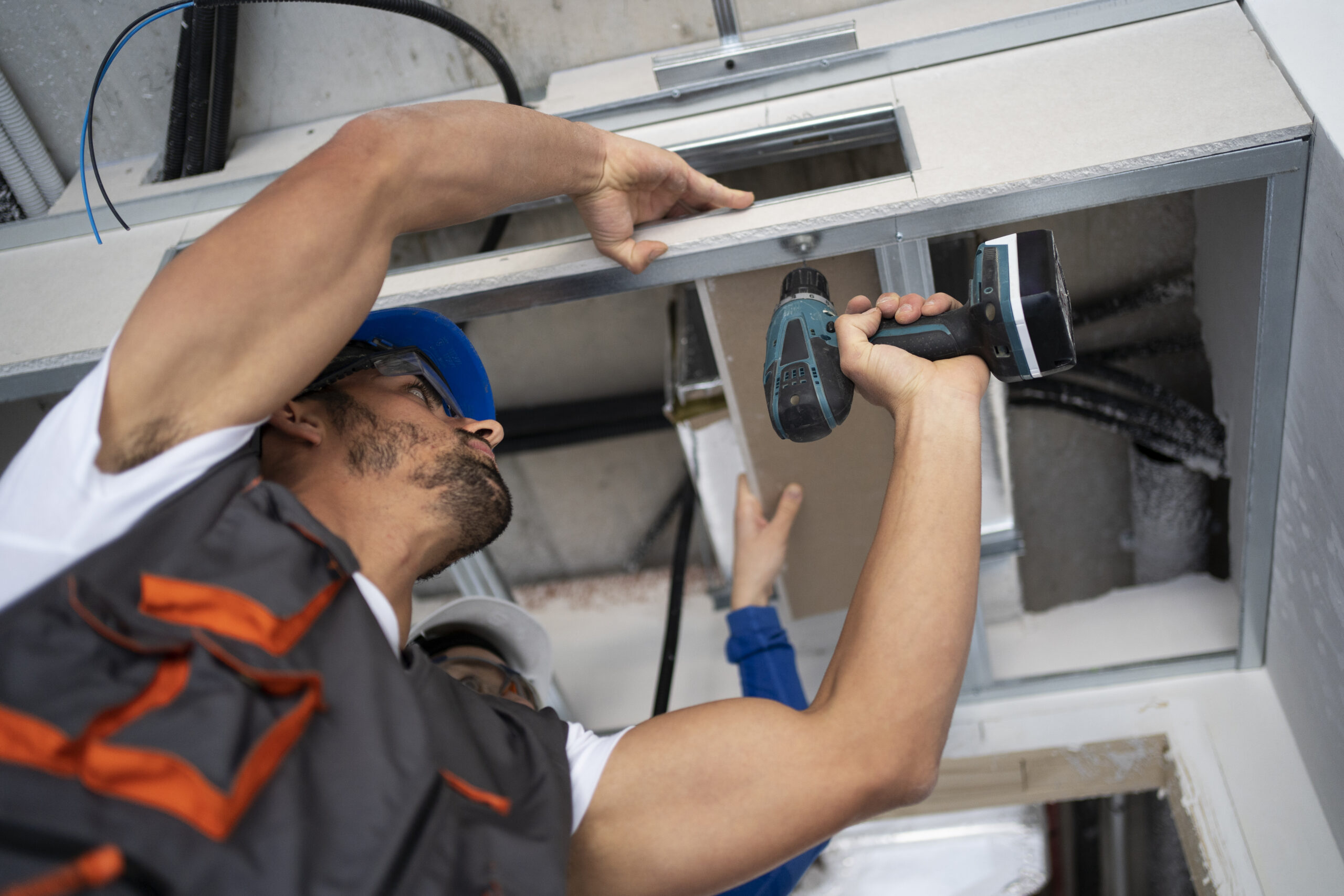
The manufactured UPVC windows and doors are delivered to the customers or construction sites where they are installed by trained professionals. Proper installation is essential to ensure optimal performance and longevity.
