

In today’s construction industry, material choice plays a crucial role in defining the functionality, aesthetics, and sustainability of a building. Among the most preferred materials for windows in modern architecture is UPVC, or Unplasticized Polyvinyl Chloride. Known for its durability and energy efficiency, UPVC is being adopted widely across residential, commercial, and institutional projects.
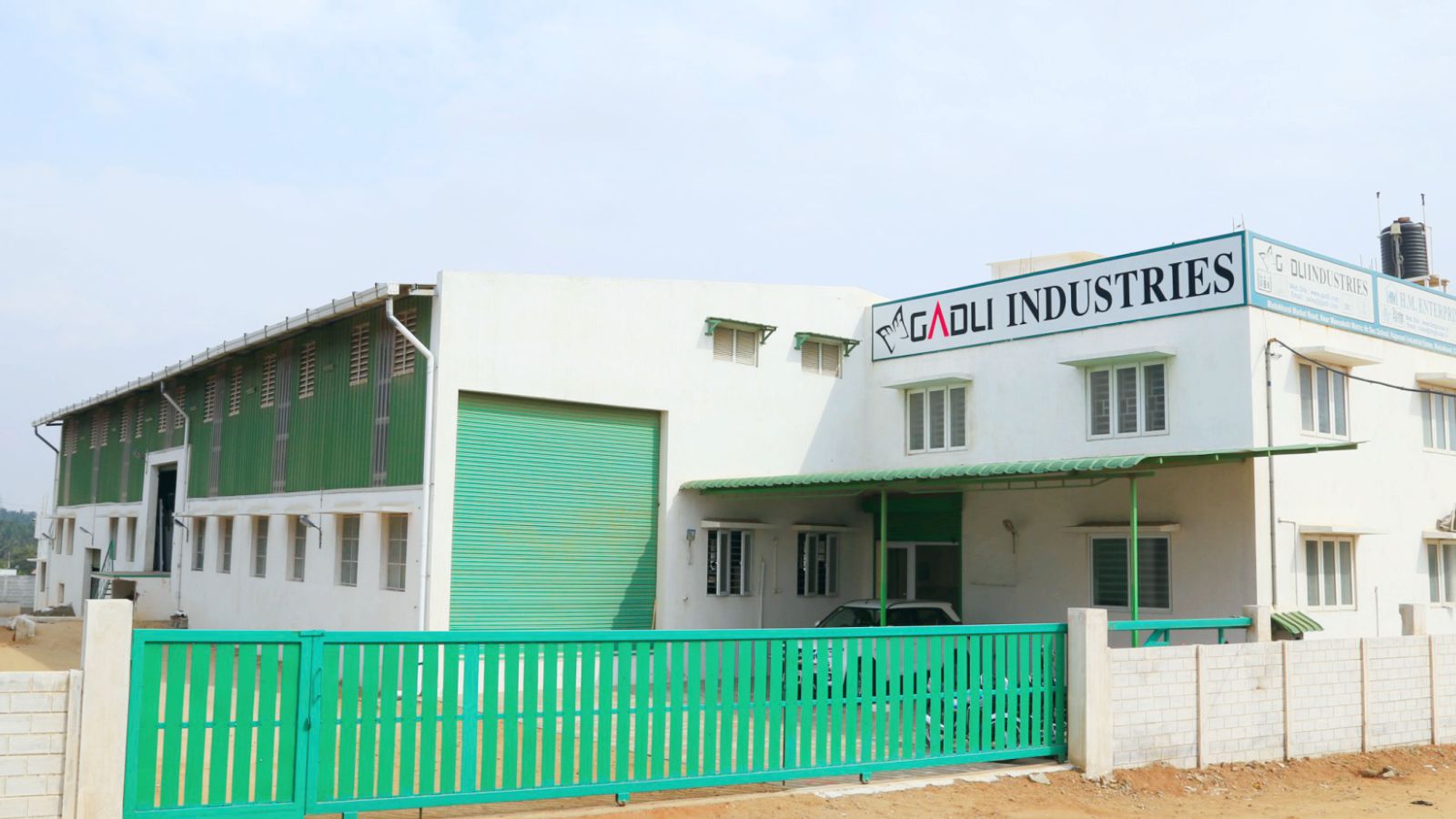
Gadli, a trusted manufacturer of precision-engineered UPVC window systems, delivers solutions that cater to contemporary architectural demands. These windows offer superior performance while maintaining visual appeal, contributing to long-lasting structures that require minimal upkeep.
Material Advantages of UPVC in Windows
UPVC is a rigid, chemical-resistant form of PVC that is engineered without plasticizers, resulting in a robust material suitable for framing applications. Its ability to withstand harsh environmental conditions makes it a reliable choice for windows in tropical, coastal, and high-pollution zones.
The composition of UPVC contributes to excellent thermal insulation, resistance to moisture, and protection against ultraviolet rays. Unlike wood or metal, UPVC does not warp, rot, rust, or corrode. This material ensures long-term performance with minimal degradation, even in regions experiencing extreme heat or heavy rainfall.
Performance and Insulation Benefits
One of the key reasons behind the rise in UPVC window adoption is its insulation capacity. Gadli’s UPVC windows are designed with multi-chambered profiles that trap air within the frame, significantly reducing heat transfer. This insulation supports consistent indoor temperatures, reducing dependence on heating or cooling systems and lowering energy consumption.
In urban environments, these windows also contribute to acoustic insulation. The tight seals and double-glazed options block out external noise, creating a quieter indoor environment ideal for homes, offices, hospitals, and educational institutions.
Low-Maintenance and Longevity
Maintaining windows made from traditional materials often involves frequent painting, polishing, and repairs. In contrast, UPVC windows are highly resistant to wear and weather-related damage. They retain their shape, color, and finish for decades with simple routine cleaning.
The absence of regular maintenance makes UPVC an economically viable option over the long term. Gadli ensures each window undergoes stringent quality checks, resulting in products that perform consistently for 20 years or more with very little maintenance required.
Design Flexibility and Aesthetic Integration
Gadli offers a wide range of UPVC window styles, including sliding, casement, tilt-and-turn, and fixed options. These designs can be tailored to match various architectural themes, from modern high-rises to traditional villas.
The windows are available in multiple colors and finishes, including woodgrain textures and solid shades. This variety allows architects and homeowners to customize windows that align with both interior and exterior aesthetics without compromising on functionality.
Resistance to Environmental Impact
UPVC is non-reactive to water, air, and most chemicals. This makes it particularly useful in regions exposed to salt-laden air, industrial pollution, or heavy rainfall. Unlike metal frames that can rust or wooden frames that swell, UPVC maintains structural integrity and performance even in challenging environments.
The material is also resistant to termites and other pests, providing an added layer of protection, especially in regions with high humidity or dense vegetation.
Energy Efficiency and Sustainability
The construction industry is increasingly adopting sustainable practices, and UPVC fits well into this shift. The insulation properties of UPVC windows help reduce energy usage by limiting reliance on HVAC systems. Less energy use translates into lower emissions and smaller carbon footprints.
Additionally, UPVC is fully recyclable. Gadli’s manufacturing processes are aligned with eco-conscious practices, contributing to greener construction initiatives without compromising on quality or design.
Enhanced Security Features
Modern UPVC windows from Gadli are equipped with multi-point locking systems and internal beading. These features enhance security by making the frames more resistant to forced entry. Combined with impact-resistant glass options, UPVC windows provide a safe barrier for homes and buildings in both urban and remote settings.
The steel reinforcements inside UPVC frames offer additional strength, especially in larger window spans. This structural stability is essential for multi-storey constructions and areas prone to high wind loads.
Compliance with Global Standards
Gadli ensures that its UPVC window systems meet or exceed industry benchmarks for thermal efficiency, wind resistance, and load-bearing strength. By adhering to both national and international standards, the company maintains product reliability and customer trust across projects of various scales.
With advances in design technology and manufacturing precision, Gadli continues to deliver customized UPVC solutions that meet the expectations of modern engineers, architects, and developers.
Conclusion
UPVC windows have evolved from being an alternative material to becoming a primary choice in modern construction. Their durability, insulation properties, and low maintenance requirements make them ideal for homes, commercial spaces, and institutional buildings alike.
Gadli stands at the forefront of this transformation, offering engineered UPVC window solutions that combine style, strength, and sustainability. Whether for a new project or a renovation, integrating Gadli’s UPVC windows ensures long-term performance, reduced maintenance, and enhanced energy efficiency — all packaged in a sleek, customizable form.
